Spilhaus Space Clock Unlighted Model
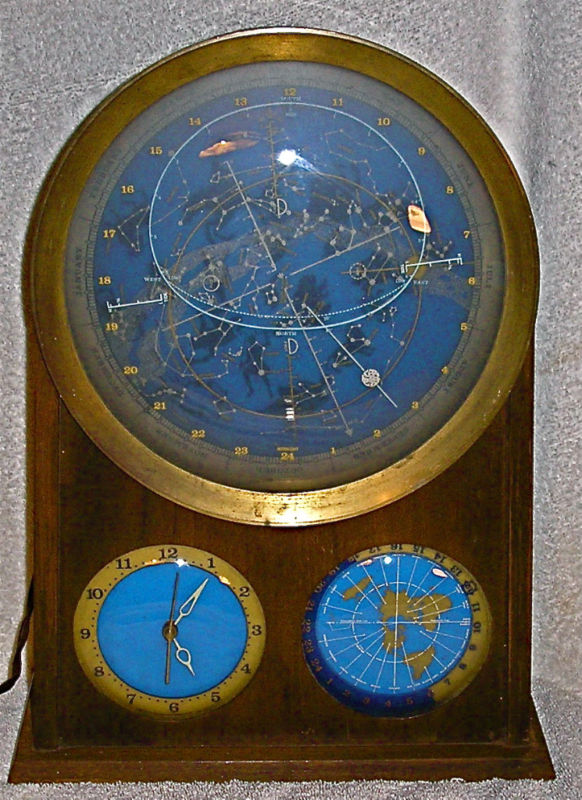
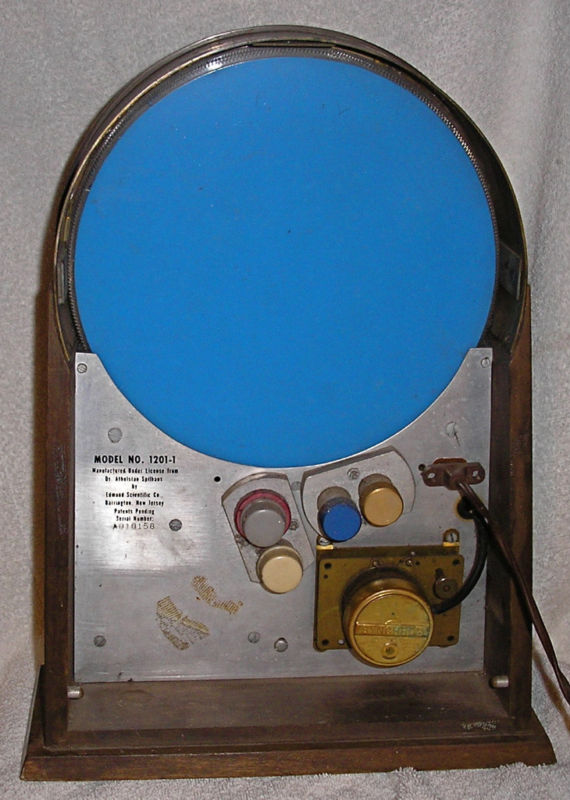
I recently bought this unlighted Model 1201-1 on ebay. It is the first unlighted model that I have seen for sale. Mechanically, it is the same as the lighted model. But, there are a few differences between this clock and a lighted model. I'm not sure if this is because this unlighted model is a very early production model and changes were made later, or if all unlighted models are like mine. Note in the picture of the back above: the data is printed in a different location than on lighted models.
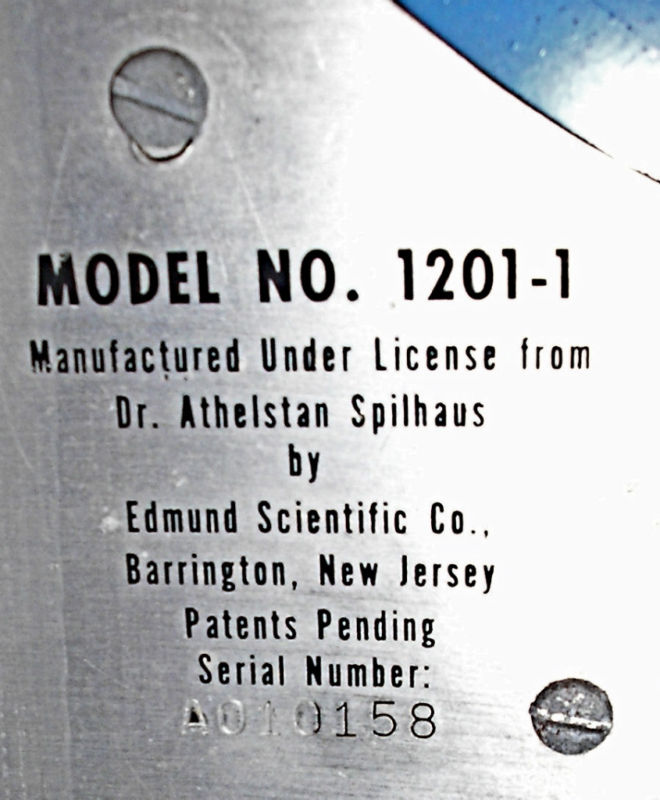
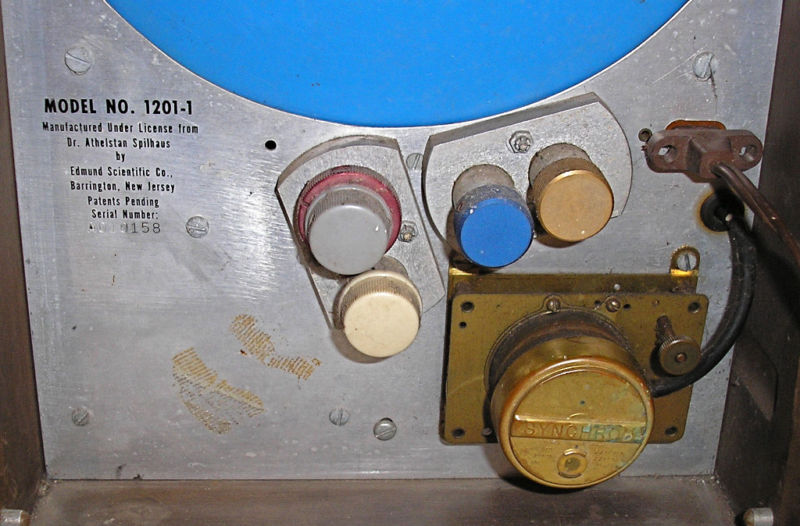
The above pictures show more detail of the clock's back. Note that the data shows this clock to be patent pending. It was made before the patent was finalized. My other clocks (except for the prototype of course) all say "U.S. Patent No. 3,248,866" on the back. The serial numbers for the unlighted clocks are different to: they start with the letter A whereas the lighted models start with a B. Also, the unlighted model's serial numbers start at 10000. My serial number is A010158, or the 158th unlighted clock made. It has aluminum gears like my early production lighted models and the prototype, as seen below.
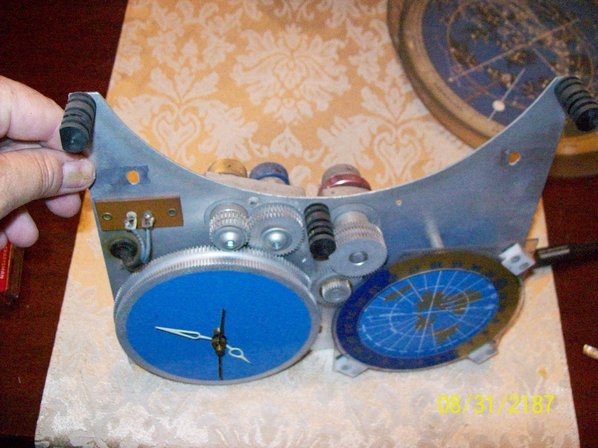
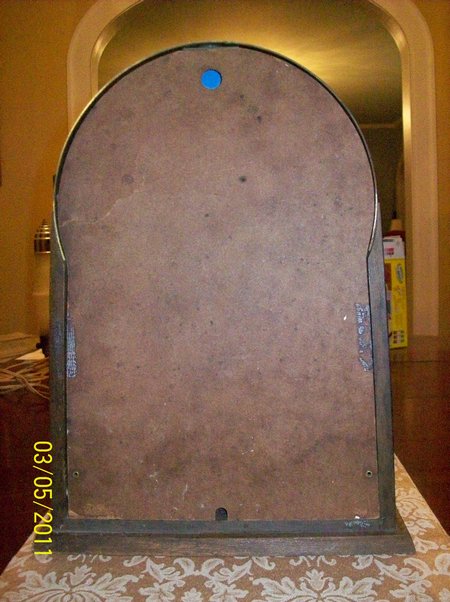
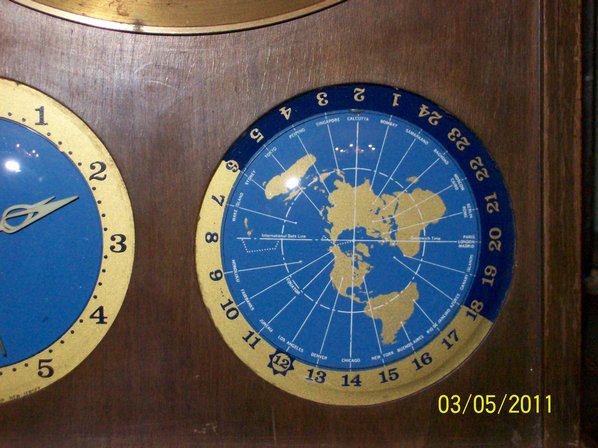
The three main differences that are seen when the clock is displayed are: The back cover has a finger hole at the top for removal (no magnets hold it in place either) and it is made of pressboard instead of wood veneer. The disks of the large space dial are the same as the ones in my prototype, except that the sun disk is printed in gold instead of yellow. I know it looks yellow in the photograph at the top of the page, but it is gold. Finally, the 24 hour clock is different from the lighted and prototype models: the lines that point to the world cities are different, the back ground is lighter blue (it is also lighter on the 12 hour clock), and there is a four point axis that crosses at the North Pole. The East/West axis line goes through Greenwich and the International Date Line. The North/South axis line goes through Calcutta and Chicago.
Updated March 5, 2011